9+ curated guides • Updated April 2025
When you picture a cruise, 'restorative' might not be the first word that comes to mind. We often think of crowded decks and endless buffets. But what if a mega-ship was secretly designed to be the ultimate escape for your mind and body? We boarded the Celebrity Reflection not for the parties, but to uncover its unexpected identity as a premier wellness sanctuary at sea. As a seasoned wellness traveler who typically trades sea days for silent retreats, I was prepared to be underwhelmed. Instead, I found a meticulously designed environment that, if you know where to look, functions less like a theme park and more like a five-star spa that happens to float.
Look back at the bags of 2022. They weren't just accessories; they were a cultural barometer measuring our collective mood. From the impractical fantasy of the micro-bag to the survivalist-chic of the oversized tote, each trend told a story about a world grappling with newfound freedom and lingering anxiety. These objects, slung over our shoulders and clutched in our hands, were the most honest storytellers of the era. They were vessels not just for our keys and wallets, but for our conflicting desires to either escape the weight of the recent past or carry its lessons with us, girded for the future. In this analysis, we will unpack the semiotics of these trends to decode the silent dialogue they conducted about who we were and who we wanted to become.
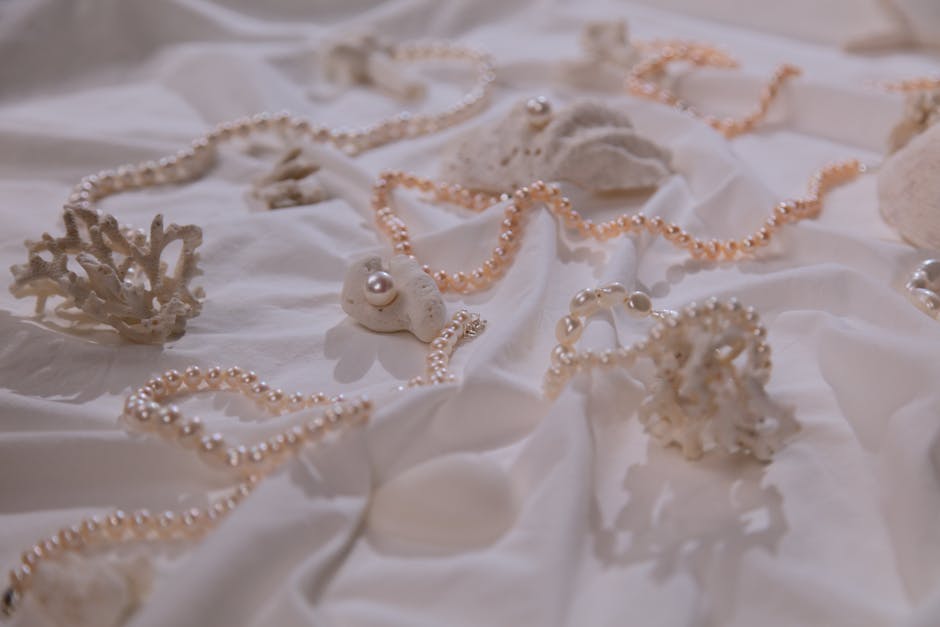
Frank Ocean has always made his fans wait. His luxury jewelry brand, Homer, with its appointment-only viewings and staggering price tags, feels like the pinnacle of this elusiveness. But what if we're looking at it all wrong? This isn't just jewelry; it's a physical thesis on art, commerce, and what it means to be a fan in an era of manufactured desire. It challenges us to ask whether the most profound artistic statements of our time must be audible. Homer proposes a radical alternative: a silent album, meticulously crafted from enamel and lab-grown diamonds, its narrative embedded not in sound waves, but in the very systems of value and scarcity that define our culture.
Imagine a personality type practically engineered for the stage: intensely charismatic, empathetic, uninhibited, and with a natural gift for music. This describes many individuals with Williams syndrome, yet you'll struggle to find them headlining movies or topping the charts. This article investigates the compelling paradox of why these 'natural-born celebrities' remain largely outside the spotlight. This isn't a story about limitations, but about a profound mismatch between a unique set of human gifts and the rigid machinery of modern fame. We will move beyond the surface-level discussion of the condition to dissect the cultural and industrial architecture that decides who gets a platform and who remains in the wings. By understanding this paradox, we reveal more about our society's narrow definition of success than we do about Williams syndrome itself.
That perfectly cooked meal kit on your table feels like a culinary triumph, a testament to your newfound kitchen skills. But what happens next week, when you're standing in a grocery store without a pre-portioned box and a glossy instruction card? This article explores the uncomfortable truth: your meal kit subscription might be making you a great assembler, not a great cook. It promises convenience but delivers dependency, offering a simplified, curated experience that bypasses the essential, sometimes messy, process of learning. We'll dismantle the illusion of progress and provide a clear path to reclaiming your kitchen confidence and creativity.
You've felt it before: the surge of confidence from a sharp blazer or the creative spark from a favorite necklace. This isn't just a feeling; it's a neurological event. New research reveals how the clothes on your body are actively changing your brain, and we'll show you how to dress for the mind you want. The phenomenon, known as 'enclothed cognition,' suggests that our clothing is not a passive covering but an active interface with our mind. It's the scientifically-backed reason why a doctor’s white coat can measurably increase their focus. This article delves into the neuroscience behind your wardrobe, exploring how you can strategically use apparel and accessories to enhance focus, spark creativity, and build unshakable confidence from the brain outwards.
You're hungry, you search 'order food near me,' and you trust the app to give you a fair price. But that convenience is an illusion, carefully designed to exploit your hunger with inflated menu prices, baffling service fees, and subscription models that rarely pay off. We're pulling back the curtain to show you the money you're leaving on the table and how to get it back. As an analyst who deconstructs these platforms for a living, I see the architecture of deception that's built into every tap and scroll. This isn't just about food; it's about reclaiming control from algorithms engineered to maximize your spending. Forget the lists of 'best apps'—this is your playbook for a counter-offensive.
You searched for 'breakfast delivery near me' looking for convenience, but what if that search could unlock an extra hour of deep work? Most people see it as a lazy luxury; we see it as a productivity investment. Before you tap 'order' on that bagel, let's explore how to make your first meal of the day a strategic choice that pays dividends until dinner. This isn't about saving five minutes of cooking; it's about executing a high-leverage arbitrage play on your morning. By outsourcing the logistics of your first meal, you're not just buying food—you're buying back cognitive bandwidth, decision-making energy, and the most valuable asset of all: uninterrupted time. We will deconstruct how to weaponize your breakfast order to build a better, more effective day from the very first bite.
You've been told to invest in timeless, high-quality accessories, but when it comes to trying men's jewelry for the first time, that's terrible advice. The men's necklace section at H&M isn't where you find a forever piece; it's where you find out if you're a 'necklace guy' for under $20, completely risk-free. Forget the pressure of finding the perfect sterling silver chain that will last a lifetime. Your first mission isn't acquisition; it's reconnaissance. You are gathering intelligence on your own habits, comfort levels, and aesthetic inclinations. This isn't shopping—it's a calculated experiment. The H&M necklace is your lab equipment, a disposable tool designed to yield a single, crucial piece of data: Does this work for you? Or not?